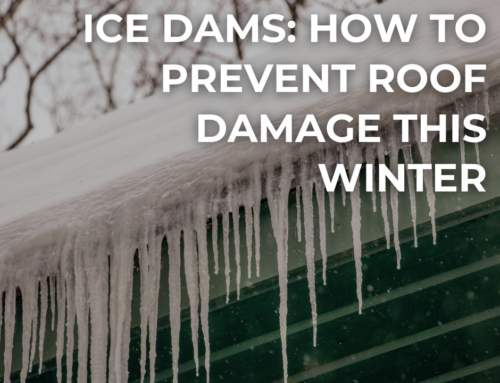

March is “hidden damage” month. As winter ice thaws, it exposes cracks that lead to costly April leaks. A professional Spring roof inspection in Kansas City identifies these failures early, saving you thousands in emergency repairs.
Why March is Critical for Your Roof
Midwest winters are brutal on asphalt shingles. The constant freeze-thaw cycle stresses your roof’s “joints,” while heavy winds pull at your flashing. Waiting for a major storm to find a leak is a gamble you don’t want to take. By scheduling a Spring roof inspection now, you catch the “silent killers” of roofing before the rainy season hits.
1. Identifying “Post-Winter” Shingle Stress
Look for shingles that are curling, buckling, or “lifting” away from the roof deck. Winter’s moisture often gets trapped underneath, causing the wood to swell and push the shingles up.
2. Granule Loss and UV Protection
Check your gutters. If they look full of “sand,” your shingles have lost their protective coating. Without granules, the sun’s UV rays will bake your roof, making it brittle and prone to cracking by summer.
3. Vulnerable Pipe Boots and Vents
The rubber “boots” around plumbing vents are usually the first things to fail. Winter ice causes these seals to crack and dry rot. We check every penetration point to ensure they are 100% watertight.
4. Flashing Integrity at Chimneys and Valleys
Flashing is the metal “armor” in the valleys of your roof. Ice dams often warp this metal. During a Spring roof inspection, we ensure the sealant hasn’t pulled away, which is the #1 cause of interior ceiling stains.
5. Gutter Health and Drainage Flow
March winds blow debris into your drainage system. Clogged gutters cause water to back up under your shingles, leading to fascia rot. We ensure your gutters are clear so water moves away from your foundation.
6. Checking for “Soft Spots” in the Decking
Snow weight can strain the wooden decking underneath your shingles. We look for sagging areas or “spongy” spots that indicate moisture has already compromised the structural wood of your home.
7. Critter Entry Points
Squirrels and raccoons love “soft” winter-damaged eaves. We check for chewed drip edges or torn soffits where pests may have tried to move into your attic during the cold months.
Pyramid Pro-Tip: Don’t risk a ladder in muddy March weather. Most major issues can be spotted from the ground with binoculars. If something looks “off,” give us a call.
Frequently Asked Questions (FAQ)
Q: What does a Spring roof inspection in Kansas City cost?
A: Pyramid Roofing offers totally free comprehensive inspections year-round to keep your home protected.
Q: Can I inspect my own roof?
A: A ground-level visual check is a great start, but a professional Spring roof inspection in Kansas City involves checking flashings, seals, and “soft spots” that aren’t visible from the driveway.
Q: How long does an inspection take?
A: Most professional inspections take 30 to 60 minutes, depending on the size and pitch of your roof.
Q: What if you find damage?
A: We provide a digital report with photos. Often, a simple “tune-up” or minor flashing repair can prevent the need for a full roof replacement later.
Protect Your Home Today
Don’t let a winter crack turn into a spring flood. Contact Pyramid Roofing to schedule your Spring roof inspection in Kansas City and move into the season with peace of mind.
www.pyramidroofingkc.com \ Kansas City: 816-966-1101 \ Springfield: 417-943-4011